
Castor Plant (Ricinus communis)
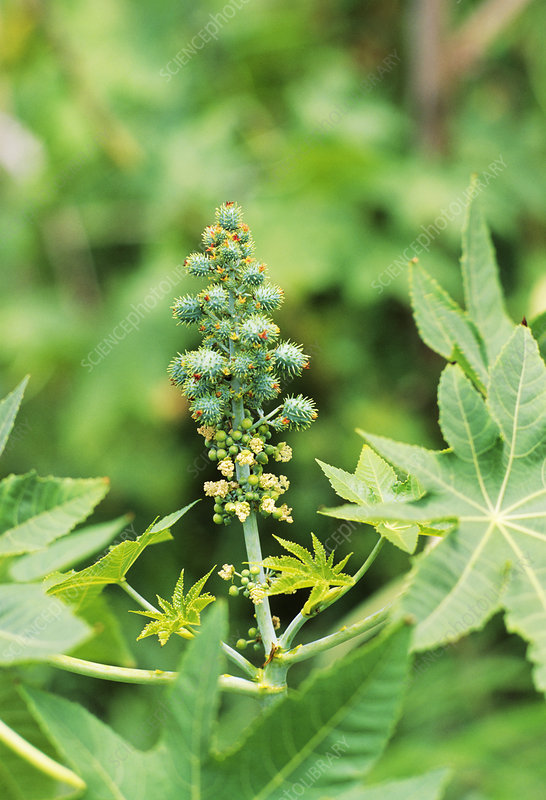
The Castor plant (Ricinus communis) is a fast-growing, perennial shrub widely cultivated in tropical and subtropical regions across the world. Known for its high oil-yielding seeds, the castor plant plays a vital role in agriculture, pharmaceuticals, chemicals, cosmetics, and industrial manufacturing.
India is one of the world’s leading producers and exporters of castor seeds and castor oil, owing to favorable climate conditions and advanced agronomic practices.
Castor Seeds
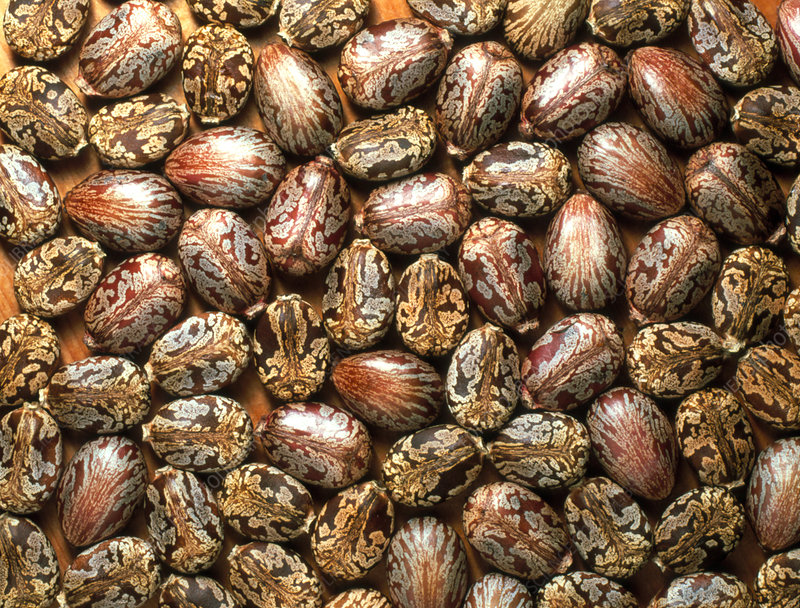
Castor seeds are oval, glossy seeds with a distinctive mottled appearance. They contain 45–55% oil, making them one of the richest natural sources of non-edible industrial oil.
Key Characteristics :
- High oil content with excellent viscosity
- Rich in ricinoleic acid (unique fatty acid not commonly found in other oils)
- High oxidative stability
- Suitable for a wide range of chemical transformations
Castor Oil – Nature’s Versatile Industrial Oil
Castor oil is extracted from castor seeds through mechanical pressing or solvent extraction. It is a pale yellow, viscous, non-volatile oil known for its exceptional lubricity and chemical stability.
Key Properties:
- High hydroxyl value
- Excellent lubricating properties
- High boiling point
- Soluble in alcohols
- Environmentally friendly and biodegradable
 Global Provider of Quality Botanical Oils